RELION for Cryo-EM GPU Benchmarks Overview
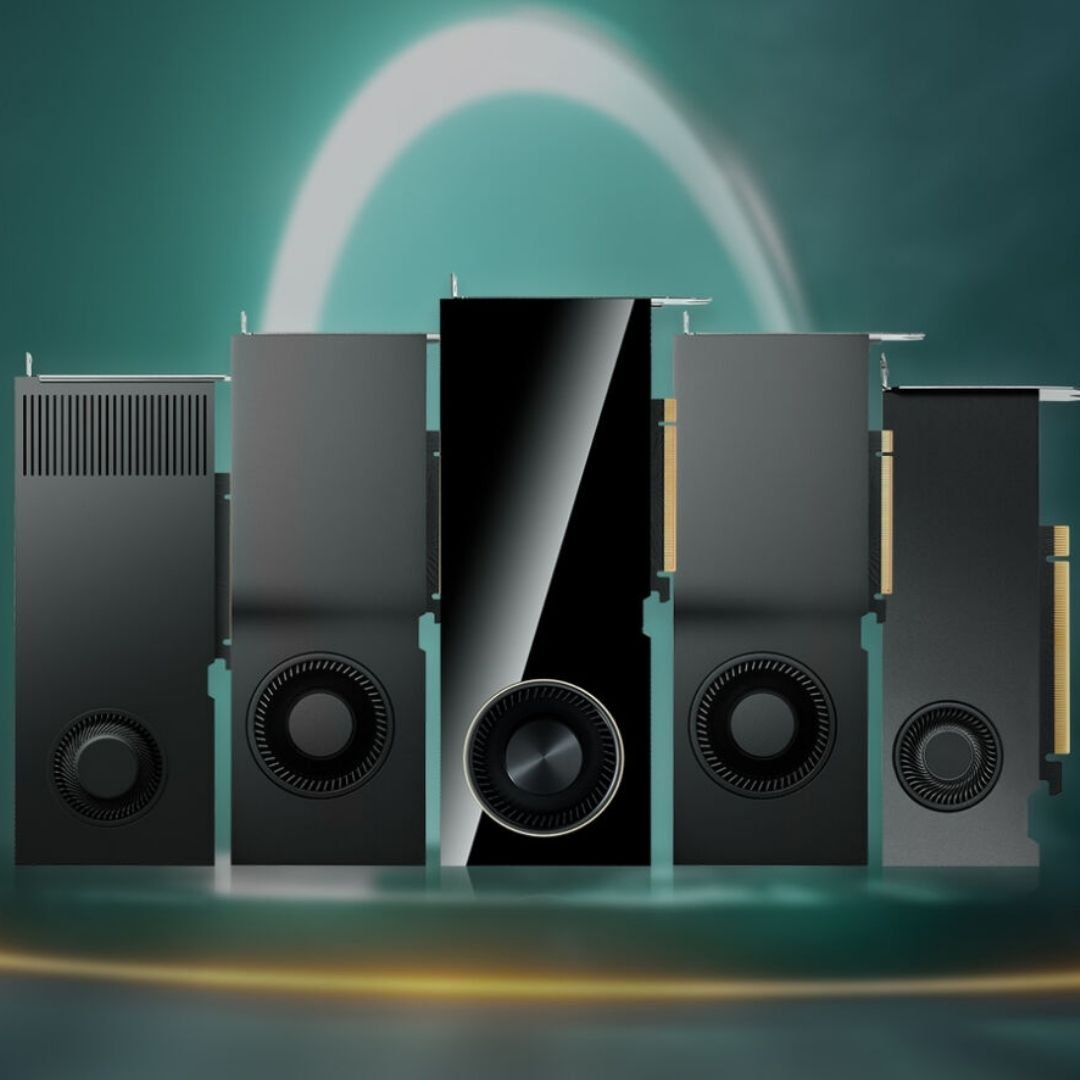
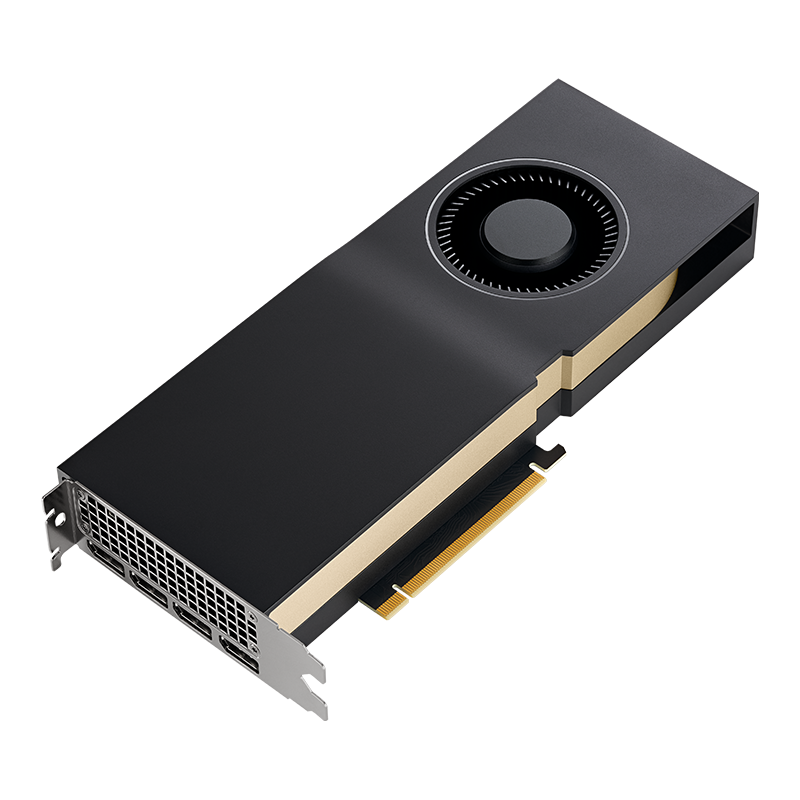
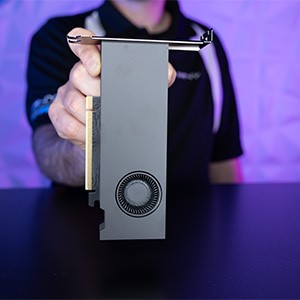
As a value-added supplier of scientific workstations and servers, Exxact regularly provides reference benchmarks in various GPU configurations to guide Cryogenic Electron Microscopy (cryo-EM) scientists looking to procure systems optimized for their research. In this blog, we benchmark NVIDIA RTX™ 6000 Ada Generation, NVIDIA RTX 5000 Ada Generation, and NVIDIA RTX A4500 GPU performance using RELION Cryo-EM, comparing GPU runtime to total runtime performance (lower is better) on an Intel Xeon Scalable 8490H platform and an Intel Xeon W9-3495X platform.
Read More
Topics:
NVIDIA,
Exxact,
PNYPRO,
NVIDIA RTX 6000 Ada,
NVIDIA RTX 5000 Ada,
NVIDIA RTX 4500 Ada,
Cryogenic Electron Microscopy,
RELION,
GPU Benchmarks
At SIGGRAPH 2023, NVIDIA announced new workstation and data center GPUs designed to provide exceptional AI, compute, graphics, and real-time rendering performance for demanding, professional workflows. Powered by the ultra-efficient NVIDIA Ada Lovelace architecture, these GPUs are ideal for ray tracing, physics simulation, neural graphics, and generative AI, giving professionals the tools to create and unlock their full potential. This virtual event is an excellent opportunity to stay updated on the latest advancements in GPU technology.
Read More
Topics:
NVIDIA,
AI,
PNY PRO,
SIGGRAPH,
RT Cores,
Tensor Cores,
Data Science Workstation,
NVIDIA CUDA,
NVIDIA RTX,
NVIDIA Data Center GPUs,
NVIDIA Virtual GPU (vGPU),
NVIDIA Omniverse Enterprise,
Ada Lovelace,
Ada Generation,
NVIDIA RTX 5000 Ada,
NVIDIA RTX 4500 Ada,
NVIDIA RTX 4000 Ada,
Inferencing
NVIDIA expanded their family of new NVIDIA Ada Generation GPUs for workstations and data center GPU lineup at Siggraph 2023 which are designed to deliver compelling AI, compute, graphics, and real-time rendering to professionals everywhere. Powered by the ultra-efficient NVIDIA Ada Lovelace architecture, the new NVIDIA RTX 5000, NVIDIA RTX 4500, and NVIDIA RTX 4000 Ada Generation GPUs are ideal for ray tracing, physics simulation, neural graphics, and generative AI.
Expanding the Ada Lovelace architecture family of data center GPUs, which includes the NVIDIA L40 and L4, the new NVIDIA L40S GPU is the most powerful universal GPU for the data center, delivering breakthrough multi-workload acceleration for inference and training, graphics, and video applications.
Read More
Topics:
NVIDIA,
AI,
PNY PRO,
SIGGRAPH,
DLSS Technology,
RTX,
NVIDIA RTX,
NVIDIA Data Center GPUs,
PNY Blogs,
Ada Lovelace,
NVIDIA Ada Lovelace,
Ada Generation,
NVIDIA RTX 5000 Ada,
NVIDIA RTX 4500 Ada,
NVIDIA RTX 4000 Ada,
Inferencing,
Generative AI
In the fast-paced world of technology, groundbreaking advancements have revolutionized the way professionals work. Through offerings from PNY, NVIDIA RTX technology, known for unleashing the power of real-time ray tracing, AI, and advanced graphics, has already made a significant impact on industries like design, art, science, and research. Taking it to the next level, the NVIDIA Ampere architecture introduced the world to the second generation of NVIDIA RTX, ringing in a new era of immersive experiences and unparalleled performance. At the forefront of this innovation stands the NVIDIA RTX A5000, a versatile, blazingly powerful GPU that aims to spearhead the future of creativity and productivity.
Read More
Topics:
PNY PRO,
CUDA cores,
NVIDIA GPUs,
RT Cores,
Tensor Cores,
NVIDIA RTX A5000,
NVIDIA Virtual GPU (vGPU),
NVIDIA Ampere,
NVIDIA RTX™ Professional GPUs,
About NVIDIA Professional GPUs,
PNY Blogs,
NVIDIA NVLink
Advancements in AI, simulation, secure edge computing platforms, and IoT sensors are ushering in a new era of intelligent, autonomous machines. Organizations worldwide are embracing robotics and intelligent machines to automate tasks and achieve fully autonomous production. However, the transition to AI at the edge requires meeting stringent requirements such as functional safety, long-term support, and network security. NVIDIA IGX Orin is an industrial-grade platform that addresses these challenges, providing a holistic solution for accelerated AI application development. In this blog post, we will explore the features, value propositions, and use cases of the NVIDIA IGX Orin platform.
Read More
Topics:
PNY,
Simulation,
AI,
PNYPRO,
Edge AI,
NVIDIA Ethernet,
NVIDIA InfiniBand,
PNY Blogs,
NVIDIA IGX,
Secure Edge Computing,
NVIDIA IGX Orin
In this blog, we are excited to share some benchmarks comparing the NVIDIA RTX™ 4000 SFF Ada Generation and RTX A2000 12GB GPUs. Today we’re featuring a small form factor workstation, the EdgeCube, from one of our partners, ClearCube Technology. If you didn’t watch our ClearCube Partner Spotlight Video reviewing the EdgeCube system featuring an RTX A2000 12GB, we encourage you to check it out.
Read More
Topics:
CUDA cores,
small form factor,
NVIDIA RTX A2000,
NVIDIA RTX Workstation,
NVIDIA RTX™ Professional GPUs,
About NVIDIA Professional GPUs,
NVIDIA RTX 4000 SFF Ada,
ClearCube Technology,
EdgeCube,
NVIDIA Ada Lovelace
We are excited to announce the launch of our PNY podcast! In this blog, we want to share our excitement and give you a behind-the-scenes look at our new podcast studio.
From expert interviews and in-depth discussions, get exclusive updates on PNY and NVIDIA’s latest breakthroughs. We aim to bring you fresh perspectives and unique insights to stay informed about the tech industry's most significant advancements. Our episodes will be structured to maintain a candid conversation between the host and industry experts keeping you engaged and having a great listening experience. All our podcast episodes will be uploaded to your favorite podcast platform, and if you prefer video, we will upload all the episodes on our PNY PRO YouTube Channel.
Read More
Topics:
PNY,
PNYPRO,
NVIDIA RTX,
NVIDIA Data Center GPUs,
PNY Blogs,
PNY Studio,
PNY Tech Podcast,
PNY Podcast,
PNY Technologies Podcast
In collaboration with Engineering.com, we present a series of articles that showcase advancements in the engineering field. These articles cover the role of data centers, graphics in digital transformation, Ada Lovelace GPUs, and Virtual GPUs. Read below as we dive into these transformative technologies.
The Ultimate Accelerator for the Data Center
Graphics cards have become an increasingly important component of engineering workstations. They’ve evolved from specialized chips for visualization to versatile processors for everything from data science to artificial intelligence (plus they still render a mean image).
Read More
Topics:
PNY,
Graphics,
Simulation,
AI,
Computer Aided Engineering,
CAE Applications,
IT Professionals,
Manufacturing,
Real-time ray tracing,
Data Science Workstation,
Advanced Graphics,
engineering.com,
GPU acceleration,
Accelerated Data Science,
NVIDIA RTX,
NVIDIA Data Center GPUs,
NVIDIA Virtual GPU (vGPU),
PNY Blogs,
NVIDIA RTX 6000 Ada,
NVIDIA L40,
Ada Lovelace,
Digital Transformation,
Virtual GPUs
Founded in 1997, ClearCube is a USA-based manufacturer specializing in creating innovative secure endpoint devices, centralized computing, and desktop virtualization solutions.
ClearCube secure endpoint devices like zero clients, thin clients, KVM-based desktop consolidation, blade PCs, and VDI with HCI for centralization and virtualization initiatives have enjoyed widespread adoption. Over the last few years, as local and edge computing has grown, ClearCube has developed a set of mini PC and small enclosure workstation systems to deliver on their mantra of clearing the cube of the clutter.
Read More
Topics:
PNY,
workstation,
PNY PRO,
RTX Server,
small form factor,
NVIDIA RTX A2000,
About NVIDIA Professional GPUs,
ClearCube Technology,
EdgeCube
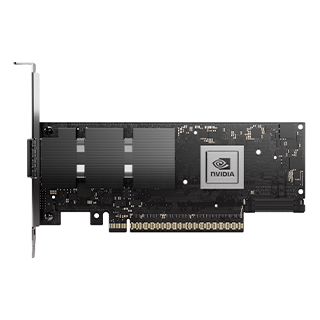
Here at PNY, we are excited to share an insightful article from Serve the Home on NVIDIA ConnectX-7, a high-speed InfiniBand and Ethernet adapter.
This article covers everything you need to know about ConnectX-7, from its features to its performance, and how it can improve your networking infrastructure. If you're looking for an InfiniBand and/or Ethernet adapter that delivers the speed and performance you need to keep up with today's demanding workloads, this article is a must-read for you.
Here are some key takeaways you can expect from this article:
Read More
Topics:
PNY,
NVIDIA,
PNYPRO,
ServeTheHome,
Networking,
NVIDIA Networking solutions,
NVIDIA Ethernet,
NVIDIA InfiniBand,
NVIDIA ConnectX,
PNY Blogs,
NVIDIA ConnectX-7,
NVIDIA ConnectX-7 400GbE,
NDR Infiniband Adapter